Tia News
Tia vs K12: which is better in 2026
Tia vs K12: choose personalized tutoring for subject support or K12 for online schooling. Compare curriculum, parent roles, records, and the right family fit.
By Tia Education Team · Published

Your student needs a different explanation, but you also need to decide who will organize the school day. Choose Tia if you want a personal tutor that adapts to your student's pace and interests; choose K12 if you want an online school program with teachers, courses, and school-managed expectations.
- Tia vs K12 compares personalized tutoring with online schooling, not two interchangeable school programs.
- Tia fits families seeking adaptive Math, English, and Science tutoring with parent visibility and homeschool records.
- K12 fits families seeking an online school structure, teacher involvement, and a broader course program.
- Choose the school arrangement first, then decide whether your student also needs individual tutoring.
Why this matters
A student can have a suitable curriculum and still struggle with how a concept is explained. Another student can understand individual lessons but need the structure of an organized school program. Those are different needs.
Tia is best for families seeking personalized tutoring within an existing school or homeschool plan. K12 is the stronger fit when the decision concerns the school itself.
For your 2026 decision, separate three questions: who teaches the difficult concept, who organizes the courses, and who maintains the official school record. One service does not have to answer all three.
Here, K12 means the online education provider and its school offerings, not the general term for kindergarten through high school. The details of a K12-powered school depend on the specific program and state.
At a glance
| Dimension | Tia | K12 |
|---|---|---|
| Best for | Families adding individual tutoring to school or homeschool | Families choosing an online school program |
| Lesson adaptation | Explanations, pace, level, and examples adapt to the student | School instruction and support depend on the selected program |
| School structure | Tutoring within your existing education plan | Teacher-led schooling with program requirements |
| Curriculum connection | Curriculum-aligned Math, English, and Science teaching | Curriculum delivered through the selected school or course program |
| Parent role | Parent directs the wider learning plan and follows tutoring activity | Parent or learning coach supports participation within school expectations |
| Learning records | Live dashboard, engaged-time measurement, and self-writing homeschool records | School progress reporting and academic records through the selected program |
| Subject breadth | 3 subjects for students in Grades 5 to 12 | Broader school course offerings, depending on school and grade |
| Pricing model | Recurring subscription, with subject and bundle options | Publicly funded school and tuition-based options, depending on program |
| Standout feature | Teaching adapts to the individual student's interests | An organized online school framework with teacher involvement |
The table compares the roles each option fills. It does not establish that one produces better academic outcomes than the other.
The personal tutor wins when the explanation needs to change
A familiar parent moment is watching your student repeat a problem without understanding why the method works. More of the same explanation does not address that particular difficulty. You need another way into the concept.
The personal tutor adapts its teaching to the student's pace, level, and interests. That includes the explanation and examples, not simply the topic selected. Math, English, and Science remain connected to the relevant curriculum.
Suppose your student understands a science idea when it connects to a current interest but gets lost in the textbook wording. The decision criterion is whether the teaching can change while the learning goal stays clear. The guide to how adaptive tutoring changes a lesson explains that distinction.
K12 offers instruction through school programs, including teacher support. That is a genuine advantage, but it is a different purchasing decision from adding a tutor around an existing course.
Choose the personal tutor for a targeted teaching need. Its limit is equally important: tutoring does not take over every responsibility of an enrolled school.
K12 wins when you need an organized online school
K12 is the stronger choice when your question is: who will provide the school program? K12-powered schools bring courses, teachers, and academic expectations into an organized online setting.
That structure gives you a school framework rather than asking you to assemble every part yourself. It also brings obligations. Attendance, assignments, assessments, and participation requirements belong to the selected school, so review those requirements before enrollment.
For a 2026 school change, ask the specific program:
- Which courses will my student take?
- What instruction happens live, and what work happens independently?
- Who helps when my student falls behind?
- What does the parent or learning coach do each day?
- Which attendance and completion requirements apply?
The tradeoff is not good teaching versus bad teaching. It is school-managed structure versus a tutoring service that fits inside a plan you already have.
Choose K12 when you want the school arrangement, not just help with a subject. Do not choose a full school change solely because one unit has become difficult.
Both connect learning to curriculum, but at different levels
Curriculum alignment is not exclusive to either option. The personal tutor teaches against the relevant curriculum, while K12 school programs deliver courses within their own academic framework.
The distinction is what you are asking curriculum to do. A tutor connects teaching to learning goals. A school program also organizes courses, assessments, and progression through its requirements.
For a homeschool parent, that difference matters. Curriculum-aligned tutoring supports instruction, but you still need a wider plan for subjects, local requirements, and any official records your situation requires.
For a student enrolled in a K12-powered school, the course expectations come from that school. Extra tutoring should support those expectations rather than create a competing set of assignments.
This dimension is a tie on purpose, not a claim of identical coverage. Ask about your student's exact grade, subject, and course before deciding. Do not treat curriculum alignment as proof that a tutor manages a complete school program.
Both need parent involvement, but the responsibilities differ
Neither option removes you from your student's education. The useful question is which responsibilities you want to keep and which ones you want a school to organize.
With a personal tutor, you stay in charge of the wider education plan. The teaching adapts to the student, and the parent dashboard gives you visibility into tutoring activity. You still decide how that work fits alongside reading, projects, other subjects, and family commitments.
In K12-powered school programs, parents commonly support learning as learning coaches. The school provides the academic framework, while your involvement follows the program's expectations and your student's needs.
Before choosing either route, describe an ordinary weekday. Who helps the student start? Who notices unfinished work? Who communicates about a difficult concept? Who checks the wider learning plan?
Parent involvement is another tie: both require it, but neither requires the same role. A school framework can suit one family; parent-directed homeschooling with targeted tutoring can suit another.
The personal tutor wins for tutoring-specific parent visibility
A completed lesson and a browser left open are not the same thing. Parents need a clear account of the learning activity, especially when they are maintaining homeschool records.
The personal tutor includes a live parent dashboard, engaged-time measurement, and self-writing records. Those features fit the parent who wants to follow tutoring without rebuilding an activity log from memory at the end of the term.
K12 school programs also have progress reporting and academic records. Their role is different: they document work and progress within the school program. Do not assume they lack tracking because their records serve a different purpose.
For your 2026 comparison, distinguish:
- Tutoring activity: what happened during individual subject support.
- Engaged time: time measured as engagement, rather than simply an open session.
- School records: the academic documentation maintained by the enrolled program.
- Homeschool requirements: the evidence your jurisdiction asks your family to retain.
Choose the personal tutor for its stated tutoring visibility and homeschool-record features. Review those records against your local requirements; automated documentation is not a blanket guarantee of compliance.
K12 wins when you need a broader school course program
The personal tutor focuses on 3 subjects: Math, English, and Science. It serves students in Grades 5 to 12. That is a clear scope, not a complete list of everything a student needs to study.
K12 school offerings cover a broader school program. The actual courses depend on the school and grade, so inspect the course list rather than assuming every program includes the same electives or pathways.
This distinction becomes especially important in high school. A family selecting an enrolled school needs to consider course progression and graduation requirements, not only whether the student receives a helpful explanation today.
Choose K12 for the broader school-program role. Choose targeted tutoring when the wider program already works and the difficulty sits within one of the supported subjects.
A broader course list does not automatically mean a better individual explanation. Likewise, a more personalized explanation does not replace a school's course requirements. Keep those judgments separate.
Pricing: a subscription and a school funding model are different
For 2026, compare the financial commitment attached to the service you actually need. Do not compare a tutoring subscription with a school program as though both purchase the same thing.
The personal tutor uses recurring subscriptions, with individual-subject and bundle options. Monthly and annual arrangements let you compare the commitment period against how you expect to use tutoring.
K12 includes publicly funded online school options and tuition-based education options. The applicable model depends on the program and eligibility. Start with the specific school rather than a general K12 search result.
The subscription model fits an added teaching resource. The school model belongs to a wider enrollment decision, with its own rules and responsibilities.
Ask what is included, which subjects or courses are relevant, and what commitments apply. The right comparison is the total arrangement your family needs, not an isolated billing figure.
Make the choice around your student's actual week
Before making a 2026 decision, write down what your student already has and what is still missing. You do not need to replace an entire education plan to fix one difficult subject.
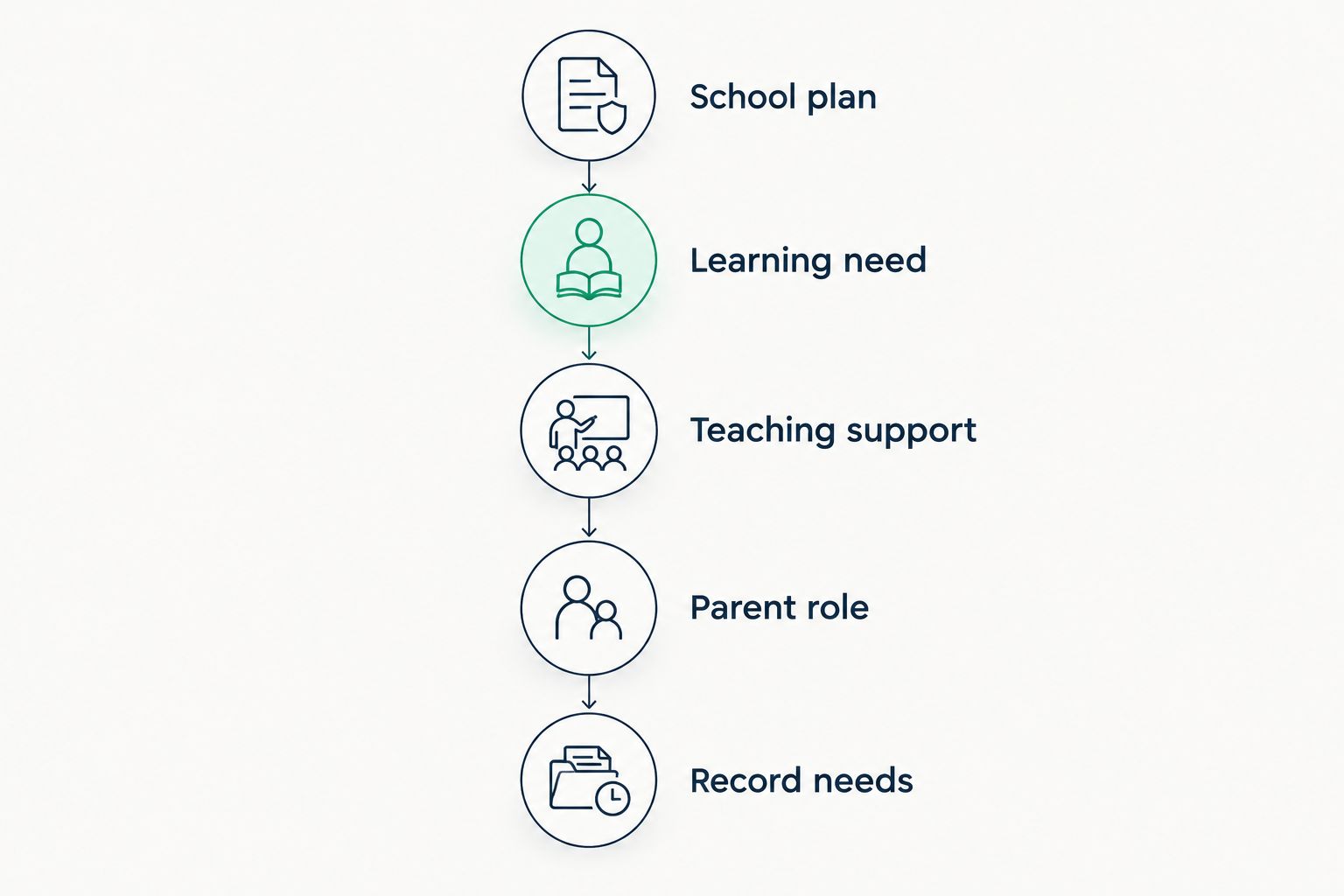
Use this sequence:
- School plan: Decide whether you are keeping the current school or homeschool arrangement.
- Learning need: Name the concept, subject, or recurring difficulty that needs attention.
- Teaching support: Decide whether you need adaptive tutoring or a school's broader instructional structure.
- Parent role: Check which daily responsibilities fit your household.
- Record needs: Separate tutoring logs from official academic and homeschool requirements.
For a high school student, keep enrichment separate from this choice as well. Comparing summer programs for high schoolers addresses opportunities beyond the regular school year, not who teaches a difficult algebra concept or maintains the student's school record.
Try the same separation with sports, music, and independent projects. Put each activity in the wider plan, then identify the teaching support it actually needs. That prevents a tutoring decision from carrying responsibilities that belong elsewhere.
If you test a tutor, bring a real sticking point. Ask your student to explain the concept afterward in their own words. Look for clearer understanding, not just a completed exercise or a pleasant session.
Final verdict: choose the role your family needs
Choose Tia if you are keeping your school or homeschool plan
Best for: the homeschool parent or school parent seeking adaptive subject tutoring. Choose this route when your student needs explanations that adjust to their pace, level, and interests in Math, English, or Science.
The parent dashboard, engaged-time measurement, and self-writing records add visibility. You retain responsibility for the wider education plan. This is the better fit for that specific need, not a claim of better learning outcomes than K12.
Choose K12 if you are choosing an online school program
Best for: the parent seeking school-organized courses and teacher involvement. Choose this route when the missing piece is the school framework itself.
Inspect the exact school's courses, eligibility, schedule, parent responsibilities, and record policies. K12 is not one identical experience across every program, so the named school should drive your final decision.
| Dimension | Winner |
|---|---|
| Individual explanation and interest-based adaptation | Personal tutor |
| Organized online school structure | K12 |
| Connection to curriculum | Tie, different roles |
| Parent involvement | Tie, different responsibilities |
| Tutoring-specific visibility and homeschool records | Personal tutor |
| Broader school course program | K12 |
| Pricing model | Match the model to the required service |
FAQ
Is Tia better than K12 for homeschooling?
Tia is the better fit when you want personalized tutoring inside a parent-directed homeschool plan. K12 is the better fit when you want an online school program to organize courses and academic expectations.
Is K12 the same thing as a tutoring service?
No, K12's online school offerings serve a broader role than individual tutoring. Compare the specific school's program with your enrollment needs, not only your student's need for help in one subject.
Which option adapts explanations to a student's interests?
The personal tutor explicitly adapts teaching to the student's interests, pace, and level. K12 instruction and individual support depend on the selected school program.
Does curriculum-aligned tutoring replace an online school?
No, curriculum-aligned tutoring does not by itself replace an enrolled school program. You still need an education plan and the records or requirements that apply to your situation.
Which grades and subjects does the personal tutor cover?
The personal tutor serves students in Grades 5 to 12 and teaches Math, English, and Science. Ask about the exact course and learning need rather than assuming that subject coverage includes every school responsibility.
Will parents still need to help with online school?
Yes, parents commonly support students as learning coaches in K12-powered school programs. The exact responsibilities depend on the school, grade, and student's needs.
Do self-writing tutoring records guarantee homeschool compliance?
No, self-writing tutoring records do not guarantee compliance with every homeschool requirement. Review what the records document and compare that with your jurisdiction's rules.
What should I compare before choosing in 2026?
Compare the school role, teaching support, parent responsibilities, and record requirements first. Then compare the subscription or enrollment arrangement for the specific option you need.
One last thing
You can change the teaching method without deciding that the whole education plan has failed. Start with the smallest accurate diagnosis: a confusing explanation, a missing routine, or a school arrangement that no longer fits.
Those problems lead to different choices. Choose a tutor for the teaching gap; choose a school program for the school gap.
Related guides
- Choose a homeschool curriculum in your first year
- Keep homeschool records without a last-minute scramble
- What parents should see in a tutoring dashboard
Tia Education Team