Tia News
How much does an AI tutor cost compared to a human tutor?
Compare AI tutor vs. human tutor cost by scope, commitment, and learning needs. Check current terms, teaching fit, and progress before choosing student support.
By Tia Education Team · Published

An AI tutor and a human tutor do not have one standard cost to compare in 2026: you need the current subscription terms and the human tutor’s written quote for the same learning goal. The headline charge does not tell you whether subject coverage, preparation, progress reporting, or additional support is included. Compare the full commitment and the teaching your student needs, not a subscription against an hourly rate in isolation.
- How much does an AI tutor cost compared to a human tutor? Compare current terms for the same subjects and learning goal.
- Human tutoring is the better fit when your priority is a relationship with a specific person.
- Tia provides personalized tutoring for Grades 5 to 12, with adaptive teaching and parent progress tracking.
- Judge tutoring value by independent understanding, not completed answers or time logged in.
How much does an AI tutor cost compared to a human tutor?
For a useful 2026 comparison, put both options on the same planning period. Compare the subscription commitment with the human tutor’s total for the sessions you intend to book. Then check what each arrangement includes.
A monthly subscription and a session quote describe different things. One describes access under a service’s terms; the other describes a booked teaching arrangement. Neither tells you, on its own, how much relevant instruction your student will receive.
For a concrete example of subscription-based support, Tia provides a personalized tutor for Math, English, and Science. Its teaching adapts to the student’s pace, level, and interests. That is a teaching model to evaluate, not evidence that every subscription offers the same support.
| What to compare | Subscription-based tutoring | Human tutoring | Why it matters |
|---|---|---|---|
| Billing basis | Check the billing period and renewal terms | Ask whether the quote covers sessions, hours, or a package | Compare the same planning period |
| Subject scope | Check which subjects the selected plan covers | Confirm which subjects the tutor teaches | Match the support to the actual need |
| Teaching approach | Check whether explanations adapt to the student | Ask how the tutor changes an explanation | Correct answers alone do not show teaching quality |
| Learning time | Check access terms and how engagement is measured | Confirm session length and scheduling | Access and focused instruction are different |
| Parent visibility | Check the dashboard and records | Agree on the feedback you will receive | You need evidence beyond “it went well” |
| Extra commitments | Review equipment, plan, and cancellation requirements | Ask about preparation, materials, and cancellation terms | The headline charge is not the whole commitment |
Ask both providers the same question: “What will my student be able to do independently after this support?” A specific answer gives you something to review later.
Why this matters when homework already takes over the evening
You are looking at a stalled assignment while dinner waits. Your student needs help, and you need a decision that does not create another job for you.
Start with the problem, not the format. Is your student missing a prerequisite skill, struggling to understand an explanation, or needing someone to sit with them through difficult work?
Those are different needs. A tutoring choice should address the one in front of you. Buying broad access does not solve a narrow mismatch, and booking more sessions does not make an unsuitable teaching approach fit.
For your 2026 tutoring plan, write down the subject, the sticking point, and the change you want to see. Keep that note beside the offers you compare. It prevents an attractive feature list from replacing your actual goal.
Subscription-based tutoring: best for a repeatable practice routine
Best for: Families seeking a repeatable learning routine, provided the service teaches the relevant material and fits the student’s way of learning.
A subscription gives you a defined billing arrangement to assess. Its usefulness depends on what happens during the learning, not simply on having access to a tool.
Look for explanations that respond to the student’s understanding. A student who keeps making the same fraction error needs the idea explained differently, not just another set of similar questions.
You can see the teaching distinction in how adaptive tutoring changes a lesson. The practical question is whether the explanation changes when the student needs a different route into the concept.
The advantage: A subscription is worth considering when its teaching approach fits the practice your student needs. Evaluate the scope and terms before making a longer commitment.
The limitation: A software-based tutor does not provide a relationship with a specific human tutor. If your student needs that relationship, treat it as a selection requirement rather than an optional extra.
Do not assume every service described as an AI tutor offers adaptive instruction, curriculum alignment, or useful parent records. Check each capability separately. The category label is not a product specification.
Human tutoring: best for a relationship with a specific person
Best for: Families who want a particular person to teach, discuss difficulties, and work directly with the student.
With human tutoring, you are choosing both a teaching arrangement and an individual. Ask the tutor how they explain the topic your student finds difficult. A relevant qualification does not answer that question by itself.
Bring a sample of the student’s work. Ask what the tutor notices, where instruction would begin, and how progress would be communicated. You are looking for a plan tied to the work, not a promise of a result.
The advantage: You can discuss the student’s needs directly with the person doing the teaching. You can also agree on expectations for communication and lesson preparation.
The limitation: You need to confirm the tutor’s schedule, subject scope, and terms. Do not assume that preparation, written feedback, or communication between lessons is included.
A human tutor is not automatically the right fit because the teaching is personal. The student still needs to understand the explanations, participate in the work, and become less dependent on prompts.
Combining formats: best for clearly separated jobs
Best for: Families who can name a distinct purpose for each form of support.
A combined arrangement needs a clear division of work. For example, you can assign routine practice to one resource and use a human tutor to discuss a recurring misunderstanding. This is a planning option, not a requirement.
The advantage: Separate roles give you separate things to evaluate. You can ask whether practice is being completed thoughtfully and whether the difficult concept is becoming clearer.
The limitation: Paying for overlapping instruction creates an additional commitment without a defined purpose. Two resources explaining the same topic also require you to check that their methods do not confuse the student.
Before adding another service, finish this sentence: “This support will do something our current resource does not do: ___.” If you cannot finish it specifically, review the existing arrangement first.
Why tutoring costs and value vary
The useful comparison changes with what your student needs and what the arrangement includes. Check these factors before comparing offers:
- Subject coverage: Compare support for the subjects you actually need. A broad package is not useful merely because it contains more subjects.
- Student level: Match instruction to the student’s current understanding and assigned material. Grade placement alone does not identify the sticking point.
- Teaching method: Check how explanations change when the student is confused. Repeating the same explanation is not the same as adapting it.
- Learning rhythm: Decide whether your student needs regular practice, scheduled discussion, or a clearly defined combination.
- Parent reporting: Confirm what records you receive and what they show. Engagement, completed work, and independent understanding answer different questions.
- Commitment terms: Read the billing, renewal, cancellation, and included-support terms before agreeing. Keep the written terms with your comparison.
These are questions for the provider, not assumptions about an entire category. In 2026, compare the actual arrangement offered to your family rather than relying on an old price list or a general label.
How do I compare tutoring offers fairly?
Use a short decision process before subscribing or booking. You do not need a complicated spreadsheet. You need the same questions answered for both options.
- Define the need. Name the exact difficulty, such as explaining equivalent fractions or organizing an essay paragraph. Avoid a goal as broad as “get better at school.”
- Match the scope. Check that the provider teaches the subject and material involved. Separate ordinary subject support from any specialist help your student needs.
- Read the terms. Record the billing period, commitment, cancellation conditions, and included support. Ask for clarification before agreeing.
- Review the fit. Watch how the student responds to an explanation. Ask the student to explain the idea back without copying the tutor’s words.
- Check independence. Return to similar work later. Look for understanding the student can use without the same prompts.
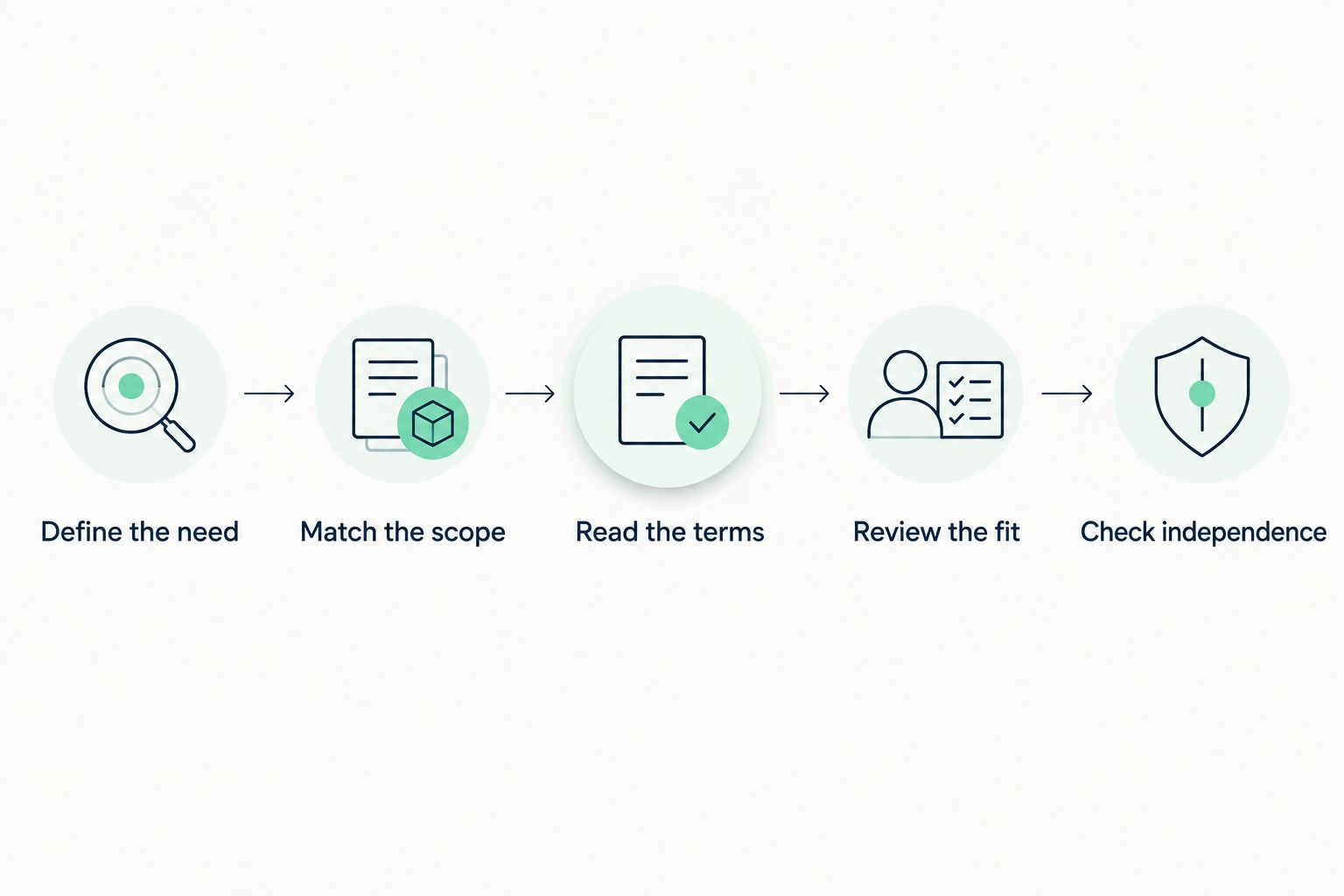
Keep the review small enough to repeat. For a writing goal, save an early paragraph and a later paragraph. For math, keep a worked example with the student’s explanation of why the method works.
You are not trying to prove that every lesson went perfectly. You are checking whether the support is helping the student do more of the thinking.
Is an AI tutor always cheaper than a human tutor?
An AI tutor is not automatically the cheaper choice for your family. Compare current terms, the support included, and the amount of human tutoring you would actually book.
Do not turn access time into a made-up hourly teaching rate. An account being open does not establish that a student received focused instruction throughout that time.
The same caution applies to a booked lesson. Session length tells you how long the appointment lasts, not what the student will understand afterward. Compare commitments first, then review learning separately.
Can short tutoring sessions be worthwhile?
A 10-minute session is a practical option when a small, focused task fits the student. That duration is not a promise of a particular result.
Choose a task that can end at a sensible stopping point. The student might explain one method, revise a paragraph, or revisit a specific mistake. Stop treating duration as the goal.
For a 2026 home-learning routine, adjust the rhythm to the student’s engagement and understanding. A short session that produces a clear explanation gives you something concrete to review. A longer session still needs that evidence.
What does a parent dashboard add to the comparison?
A parent dashboard gives you a place to review learning activity, but its value depends on what it measures. Logged-in time and engaged learning time are not interchangeable.
Tia’s personalized tutoring includes a live parent dashboard, engaged-time measurement, and self-writing records. Tia is best for parents of students in Grades 5 to 12 who want adaptive Math, English, and Science tutoring with visibility into learning.
The limitation is equally important: records do not replace your judgment about understanding. Ask the student to explain an idea, work through a related example, or describe a revision they made.
Homeschool families also need to check their local reporting requirements. A useful record supports your work; it does not remove your responsibility to confirm what must be submitted.
FAQ
How much does an AI tutor cost compared to a human tutor in 2026?
Compare the AI tutor’s current subscription terms with the human tutor’s written quote for the same learning goal and planning period. Check subject coverage, reporting, and additional commitments before choosing.
Is a monthly tutoring subscription always better value?
A monthly tutoring subscription is not always better value. Its usefulness depends on whether the student uses the instruction, understands it, and can apply the learning independently.
When is a human tutor the better choice?
A human tutor is the better choice when your priority is a relationship with a specific person. Check that person’s teaching approach, subject knowledge, and communication before committing.
Can my student use a subscription and a human tutor together?
Your student can use both when each has a distinct job. Define those jobs before adding another commitment so you can evaluate each form of support separately.
Is 10 minutes of tutoring a day enough?
Ten minutes a day is a practical starting option for a focused task, not a guaranteed amount of instruction for every student. Adjust the session to the task and the student’s understanding.
What should I ask before booking a human tutor?
Ask how the human tutor would address your student’s specific difficulty and what the written quote includes. Confirm scheduling, preparation, feedback, and cancellation terms.
What does Tia offer parents comparing tutoring options?
Tia offers personalized Math, English, and Science tutoring for students in Grades 5 to 12. Parents receive a live dashboard, engaged-time measurement, and self-writing records.
One last thing
Before renewing or booking more support, ask your student: “Show me something you can do now that you could not do before.” Let the student choose the example and explain it.
That question does not replace a full progress review. It brings the decision back to learning. For your next 2026 comparison, keep one example of independent work beside the current terms.
You stay in charge of the choice. The student stays in charge of doing the learning.