Tia News
How to prevent homeschool burnout with planned rest weeks
Prevent homeschool burnout with parent-led rest weeks in 2026. Learn when to pause, what to keep, and how to restart lessons at your student's pace.
By Tia Education Team · Published

You can prevent homeschool burnout by planning rest weeks before every day starts to feel like a catch-up day. Put a flexible pause in your 2026 plan, decide what must continue under your local homeschool requirements, and restart with a lighter lesson rhythm. A rest week is an option, not a required schedule or a reason to stop keeping records.
- For homeschool burnout, plan rest weeks around your student's needs, not a fixed calendar interval.
- Keep required records and deadlines visible while you pause or reduce lessons.
- Restart with one core resource per subject and adjust the method before adding more work.
- Tia is best for homeschool families who want an adaptive personal tutor alongside parent-led rest weeks.
How do you prevent homeschool burnout with planned rest weeks?
Use a rest week as a deliberate change of pace, not a test of whether your family can keep up. In 2026, write down what you will pause, what you will keep, and how you will decide when to resume. You stay responsible for your homeschool plan and its local requirements.
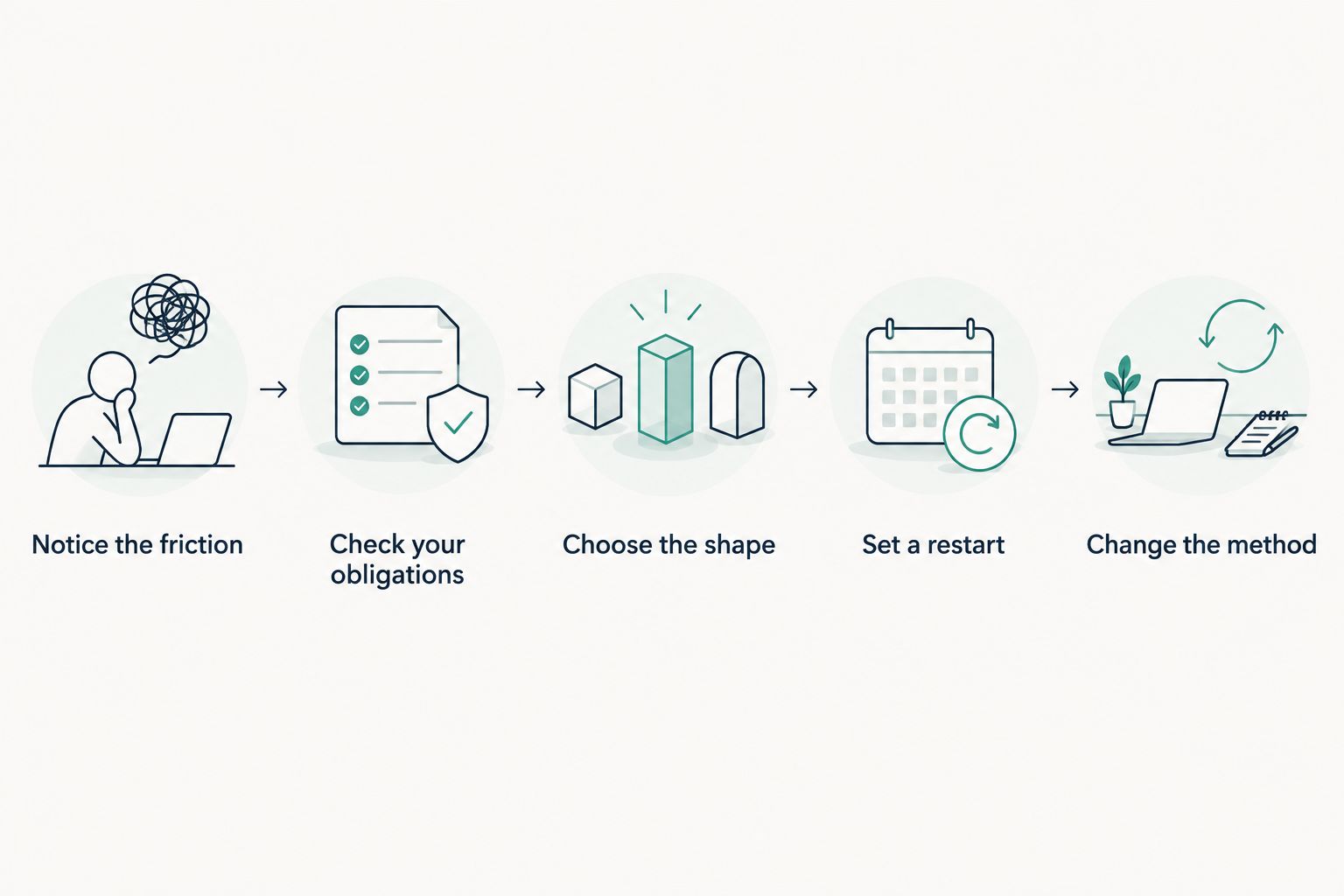
- Notice the friction. Write down which lessons repeatedly stall and which parts of the day still work. Ask your student what feels difficult before changing the entire schedule.
- Check your obligations. Review your local requirements, reporting dates, and any commitments you have already made. Keep the records those obligations call for.
- Choose the shape of the pause. Stop formal lessons for a planned period or reduce the workload. Reading together, projects, and outings can remain part of family life without becoming another checklist.
- Set a restart point. Pick a date to review the plan, not a deadline for your student to feel refreshed. Decide what the first lesson back will be.
- Change what caused the strain. Shorten a lesson, switch the teaching method, or remove an extra resource. Returning to the same overloaded plan defeats the purpose of the break.
If you need help deciding what to keep in the learning rhythm, start with personalized tutoring for homeschool students. Tutoring can support a subject; it does not set your family's rest calendar.
A 2026 rest-week plan can fit on a single page: the work you will pause, the activities you want to keep, the records you must maintain, and the date you will review the schedule. You do not need to fill every open hour. Leave room for your student to rest.
Why this matters
When you homeschool, you plan lessons, teach, track progress, and decide when to change course. That is a lot to hold at once. A planned rest week gives you a clear decision point instead of asking you to reconsider the whole year after a hard day.
Rest also looks different across families. One student wants quiet time with books. Another wants to build something, visit a library, or spend time with friends. You can listen to what your student needs without turning every activity into evidence that the break was productive.
The goal is not to earn a rest week. The goal is to make your 2026 plan workable for the student and the parent carrying it out. If a boxed curriculum is not fitting, you have permission to change the method mid-year. A purchase does not obligate you to keep using an approach that is not working.
Should you take a full rest week or lighten the schedule?
Both approaches give your family a way to change pace. Choose according to the strain you see, your student's preferences, and the work you still need to complete.
| Approach | Best for | What you keep | Main trade-off |
|---|---|---|---|
| Full rest week | Families who need a clear pause from formal lessons | Required records and any nonnegotiable commitments | You need a specific, gentle plan for restarting |
| Lighter learning week | Students who want some routine without the usual workload | A small selection of lessons or familiar activities | Too many retained tasks can make the week feel unchanged |
A full rest week is easier to recognize. Its weakness is that an abrupt return to the previous schedule can recreate the same friction. A lighter week keeps a familiar rhythm, but it stops being a break if you quietly add every postponed task back into it.
For 2026, write the choice down before the week starts. If you choose a lighter week, name the work you are leaving out. If you choose a full pause, name the commitments you still need to honor. Best for a family already overloaded: the option that removes the actual source of strain.
How long should a planned rest week last?
There is no required six-to-eight-week cycle for planning homeschool rest. You can place a break around your family's calendar, a natural stopping point in a subject, or a period when lessons have become difficult to sustain. Check local requirements before you move instructional days or reporting work.
A calendar gives you a starting point, not a rule about how your student must feel. In your 2026 plan, set a date to review the pause. At that review, look at the next lesson, the remaining obligations, and your student's readiness to work. If the lesson still feels too large, change the lesson rather than treating more time off as the only tool.
Avoid turning a rest week into an ambitious project week by default. A project is a good choice when your student wants to do it. It is not a break if you spend the week managing a new list of tasks.
What should you do during a homeschool rest week?
Start by asking what your family needs less of. Then decide what, if anything, you want to keep. The following are options, not assignments:
- Read aloud together. Older students can enjoy a shared book, too. Stop when the time together starts to feel like another lesson to complete.
- Make room for unstructured time. Leave some parts of the day unscheduled. You do not need to account for every hour.
- Choose an outing or project together. A library visit or a project tied to your student's current interest is available if it sounds welcome, not because a rest week needs an academic theme.
- Keep social plans that suit your family. A co-op, park day, sport, music group, or faith group can stay on the calendar when it is helpful and accessible to you.
- Do the necessary parent work separately. Check records and deadlines without making your student participate in your administrative catch-up.
If you have recently moved from classroom schooling to homeschool, you might also use the time to find a family rhythm. Reading, outings, projects, and open time can be part of that adjustment. There is no fixed adjustment period, and it does not replace local requirements.
Why does homeschool burnout return after a break?
A break does not fix a lesson format that still does not fit your student. Before you restart, identify the part of the routine you can change. Keep the change small enough that you can see whether it helps.
- Lesson length: If a long session keeps stalling, try a shorter one and review what your student actually completed. Ten minutes a day is an option when it fits the student, not a promise of a particular result.
- Teaching method: If symbols feel hard to grasp, try physical objects such as counters or fraction tiles, then connect them to drawings and symbols. Let your student do the explaining.
- Resources: Return to one core resource per subject rather than reopening every workbook and extra activity at once.
- Subject order: A loop schedule lets you rotate through subjects without requiring the same timetable each day.
- Rest within lessons: Some students, including some with ADHD, prefer movement breaks and shorter lessons. Ask what helps your student rather than prescribing the same interval for everyone.
- Level and interest: Connect a difficult concept to something your student currently cares about. Change the example when the concept remains unclear.
You can see the distinction between changing the method and merely adding work in how adaptive tutoring changes a lesson. In 2026, make that distinction part of your restart decision: what will your student encounter differently on the first day back?
How do you restart without rebuilding an overloaded timetable?
Start with the lesson your student can enter, not the stack of work that accumulated while you rested. Choose a familiar subject, explain what today's task is, and let your student tell you where the difficulty begins. Keep the rest of the day open enough to observe how the new approach works.
Then review the work you paused. Separate required work from optional enrichment and from tasks that no longer serve the plan. Check your local rules before changing anything tied to instruction or reporting. You can keep a record of what your student did without treating every minute at home as lesson time.
A workable restart in 2026 uses less work at first and a clearer reason for each task. If math was the point of friction, changing the math explanation matters more than adding a reward to the end of the same lesson. If writing was difficult, look at the size and purpose of the assignment before assigning another one.
Tia is an adaptive personal tutor for Math, English, and Science for students in Grades 5 to 12. It adjusts teaching to the student's pace and gives parents a dashboard to track progress. Tia is best for homeschool families who want subject support while they remain in charge of breaks, curriculum choices, and the daily rhythm. Its limit is just as clear: a tutor does not decide your local requirements or replace the rest and family time your student needs.
Can you keep learning records during a rest week?
Yes. Separate recordkeeping from formal lessons. If you are required to document attendance, instruction, or progress, check the rules that apply where you live and record what actually happened. Do not relabel a rest day as a lesson day to make a report look fuller.
A simple note can describe an activity your student chose or work they completed. It can also show that you reviewed the plan and changed a method. What counts toward a local requirement depends on that requirement, so verify it before relying on a rest-week activity.
Tia's parent dashboard and engaged-time measurement can help you see tutoring activity when you use the tutor. They do not tell you whether a rest day satisfies a homeschool rule. Keep that distinction clear in your 2026 records.
FAQ
How do I prevent homeschool burnout with rest weeks?
Plan a flexible pause, keep local requirements visible, and change the routine that caused the strain before restarting. Ask your student which parts of the current plan feel difficult.
Do homeschool families need a rest week every six to eight weeks?
No. There is no required six-to-eight-week rest cycle. Choose breaks around your family's needs and the requirements that apply where you live.
Can my student read during a homeschool rest week?
Yes. Reading aloud together or reading independently can be part of a rest week if your student wants it. You do not need to turn the reading into another assignment.
Should I stop every subject during a rest week?
No. You can pause formal lessons or keep a lighter routine. Decide what to leave out so the week actually changes pace.
How do I restart homeschool lessons after a break?
Begin with a manageable lesson and change the method or workload that caused friction. Review required work separately from optional activities before filling the timetable again.
Can a tutor prevent homeschool burnout?
A tutor can support a difficult subject, but it cannot replace rest or make scheduling decisions for your family. Tia provides adaptive Math, English, and Science tutoring while parents keep control of the homeschool plan.
What should I record during a homeschool rest week?
Record what actually happened and follow the homeschool requirements that apply where you live. Keep tutoring activity distinct from any local definition of an instructional day.
One last thing
When you plan the next rest week, also plan the first lesson back. That single choice makes you look at the workload you are returning to. If the lesson still does not fit your student, change it before the break ends.